Active Tuberculosis Disease
If your tests show that you have active tuberculosis disease, here are some facts you should know:
Tuberculosis is a serious disease that can be cured with the appropriate treatment.
Some patients with tuberculosis disease can spread the disease to other people.
How can I get Tuberculosis?
- Anyone can get tuberculosis.
- You can’t get tuberculosis from shaking hands or from food, dishes, linens or other objects.
- When a patient with tuberculosis in the lungs coughs, sneezes, or talks, tuberculosis bacteria can be released into the air. Anyone nearby can breathe the bacteria into their lungs.
- When a patient is exposed to tuberculosis bacteria, he or she may become infected. Latent Tuberculosis is when a person is infected with mycobacterium tuberculosis, but does not have active diseases.
How does tuberculosis disease affect my body?
Tuberculosis disease usually affects your lungs (pulmonary tuberculosis). Tuberculosis can affect other parts of your body too, like pleural cavity, bone, kidney and digestive system.
People with tuberculosis disease may have one or more of these symptoms
- Chills.
- Chest pain.
- Weight loss.
- Poor appetite.
- Coughing for three weeks or longer and some patients may not have obvious symptoms.
- Sweating at night.
- Coughing up blood.
- Feeling tired or weak.
- Fever usually at night.
- Neck swelling.
How do doctors test for tuberculosis?
You may need more than one test for tuberculosis disease:
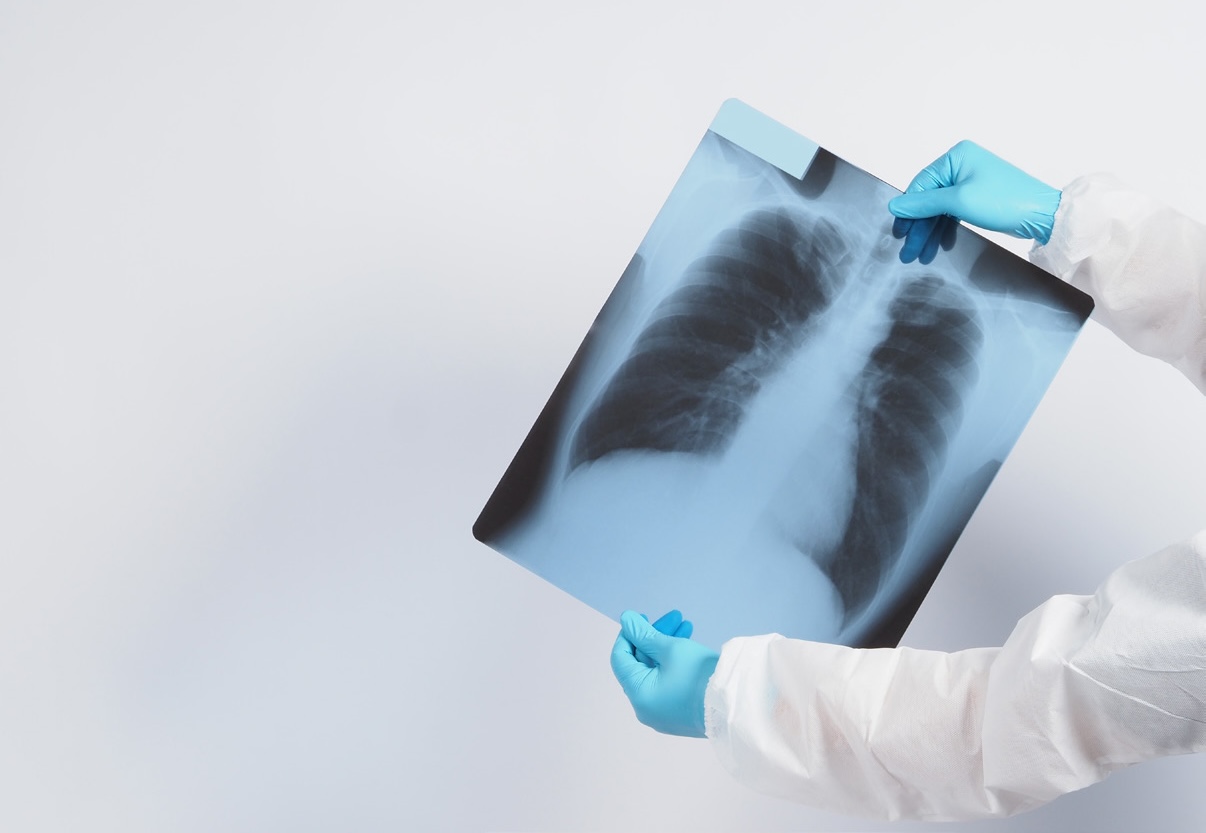
- Chest x-ray can tell whether the bacteria have hurt your lungs or not.
- Sputum examination for tuberculosis by direct smear can tell whether tuberculosis bacteria are growing in your lungs.
How can I get better?
- You need to see a doctor and take special tuberculosis medicines to kill the bacteria.
- Tuberculosis bacteria are strong and some may stay alive in the body for a long time, you will feel better in days to weeks after starting taking the medications.
- You must keep taking tuberculosis medications for at least 6–9 months according to your doctor instructions.
- It is important to see your doctor every month till your tuberculosis treatment is finished.
- The doctor will do tests to make sure you are getting better, ask if you are having any problems with your medications, and answer your questions.
- Take all of your tuberculosis medication at the same time every day.
- Keep taking your tuberculosis medication until your doctor tells you to stop.
- All alcoholic drinks should be avoided.
What happens if I don’t take the medications?
Tuberculosis bacteria are very strong. If you don’t take all of your medication correctly, you could become sick again and spread tuberculosis to others. Irregular use of tuberculosis medication may change the tuberculosis to be more resistant, difficult to be treated, require longer periods, and stronger medications.
Can I spread tuberculosis to other people?
If Tuberculosis is in your lungs, you must be careful to protect other people from your tuberculosis bacteria. If tuberculosis bacteria is in other parts of your body, the tuberculosis bacteria usually cannot spread to other people. Ask your doctor whether your tuberculosis can spread to others (is contagious). They will tell you what to do to protect people close to you.
After you have been taking medicine for a few weeks and feeling better, your doctor will tell you when you can return to work, school, or other activities.
What else should I know about tuberculosis?
- If you have tuberculosis, ask your doctor for an HIV test. People with HIV can get very sick from tuberculosis.
- Ladies who want to become pregnant should wait until completion of their treatment and get cured but pregnant females can safely continue their treatment after doctor consultation.
- Tuberculosis medication are secreted in breast milk but in small amount. Breastfed babies with tuberculosis mothers should be given full dose of prophylactic treatment.
What should I know about tuberculosis medicines?
The medication of tuberculosis is usually safe, but some people may set side effects.
- Nausea.
- Skin rash.
- Dizziness.
- Aching joints.
- Poor appetite.
- Trouble hearing.
- Yellow eyes or skin.
- Ringing in your ears.
- Blurred vision or change in your vision.
- Vomiting and pain in stomach.
- Bleeding or bruising easily on the skin.
- Fever for more than 3 days.
- Tingling fingers or toes tingling or numb mouth.
Who is at risk for active tuberculosis infection?
- Elderly.
- Poor nutrition.
- Work in health care field.
- Smoking and using shisha.
- Lack of medical care.
- Drug or alcohol abuse.
- Overcrowding and poor ventilation.
- Living or working in a residential care facility.
- People with decreased body immunity as a result of diseases or taking medications that weaken immunity.
- Close contact with someone with infectious tuberculosis.
Complication
- Lung damage.
- Sever pain, bone and joint destruction in case tuberculosis infects bones.
- Meningitis in case tuberculosis infects brain and central nervous system.
- Miliary tuberculosis in case tuberculosis infection spread throughout entire body.
Prevention
- Stop smoking.
- Keep your immune system healthy.
- Get tests regularly for people who are at high risk of tuberculosis.
- Wear a mouth mask if necessary.
- For the first 2 weeks of tuberculosis treatment, you can still spread germs. Always cover your mouth when coughing or sneezing, wear a mask around others, and stay in a special isolation room as advised.