Important instructions
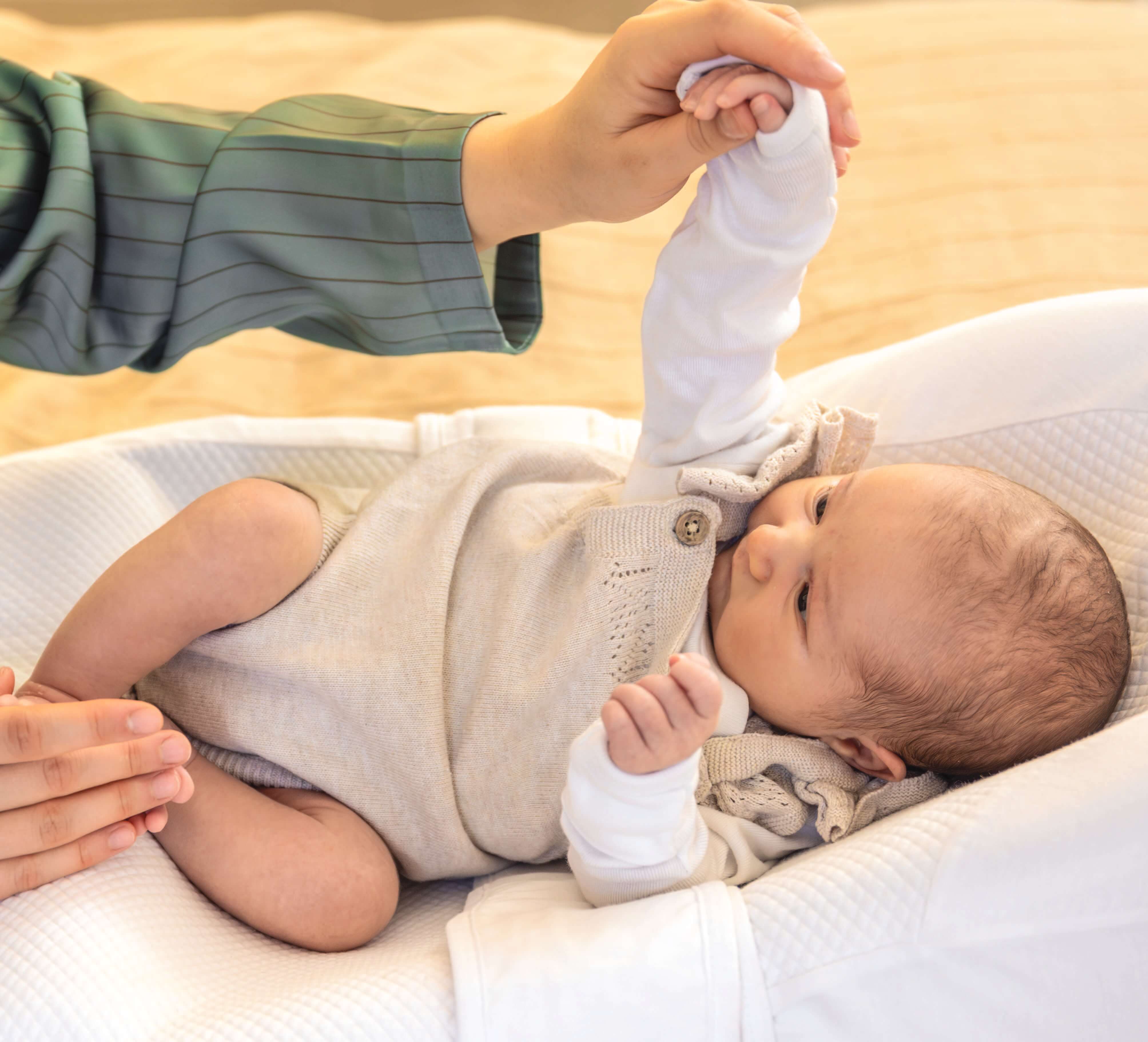
You should not leave your child alone during this time, and particularly for the next 5–6 hours. A responsible adult should be with the child or baby during this time.
The child should be observed carefully to note whether the child’s behavior and wakefulness are normal for the time of day.
If the child or baby goes to sleep, you should try to wake the child every half hour for the next 5–6 hours to assess whether it is easy or abnormally difficult to wake the child, because abnormal sleepiness is a sign of brain injury.
Important Signs To Watch For
- Unusual vomiting, especially when not related to the baby’s feeding or foo
- Unable to wake the child up normally.
- Lethargy and signs of severe fatigue in the child, especially during their usual daily activities.
- Persistent crying and irritability in young children, who may express through it that they are experiencing a headache.
- Dizziness or headache in older children.
- Unexpected changes in body temperature.
- Difficulty in remembering simple answers like day or time, or recognizing their parents
- Double vision or eye pupils that are different sizes.
- Blood or clear fluid from the ears or nose.
- Unusual difficulty walking or talking.
- Seizures (convulsions, eyes fluttering body stiffening or weakening (floppiness)).