UAE Entities


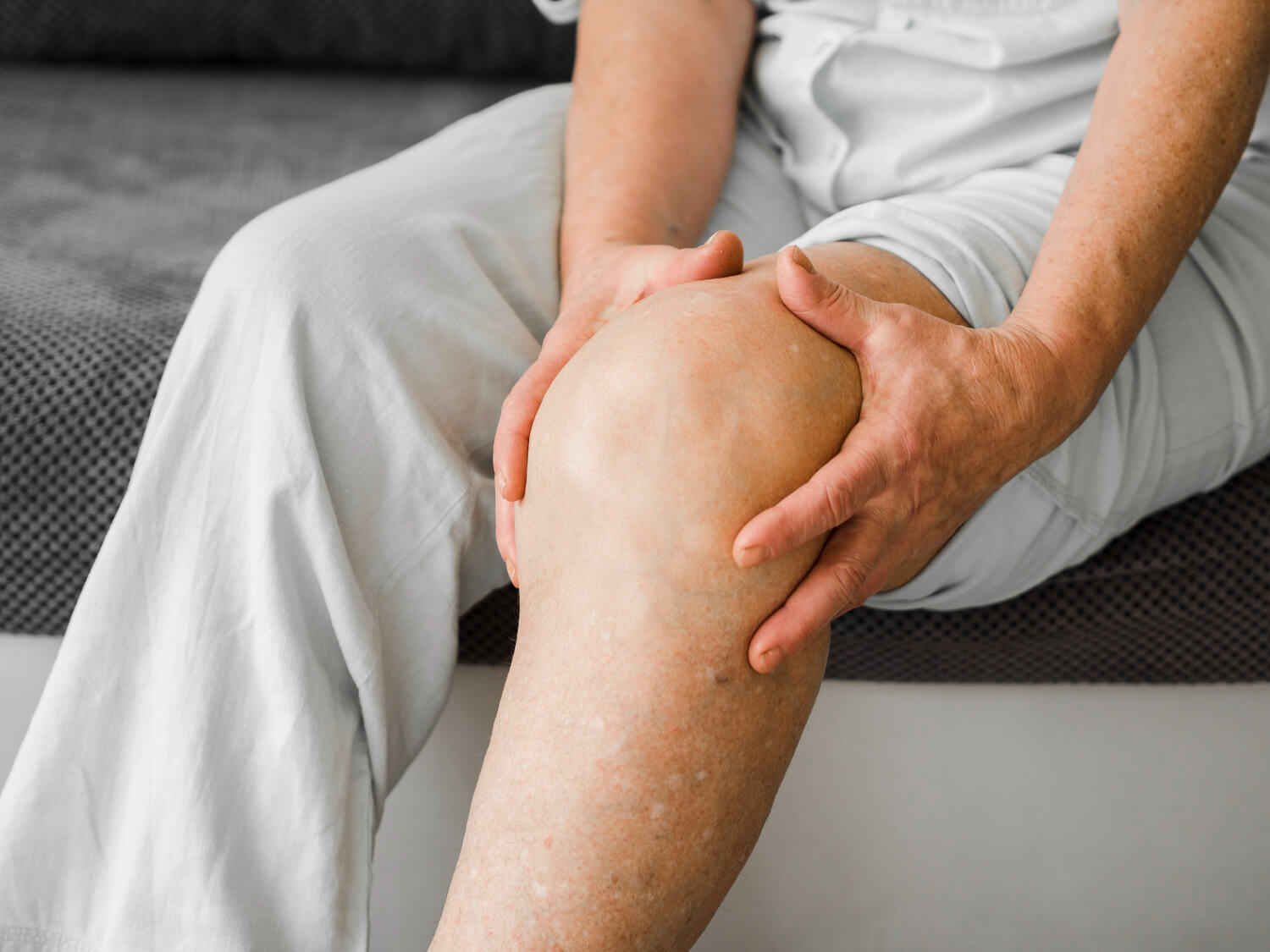
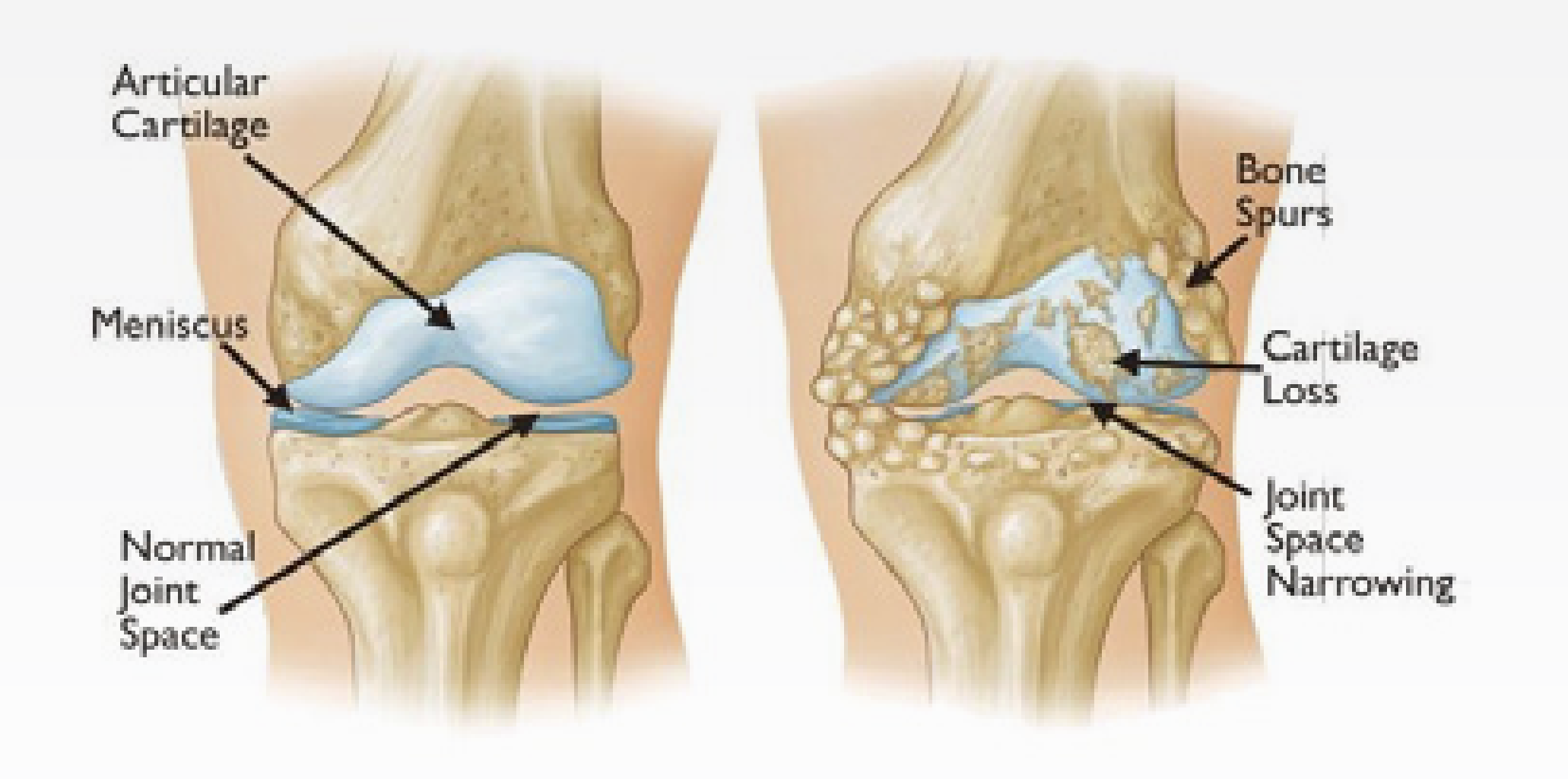
Knee osteoarthritis is a common condition that occurs when the protective cartilage in the knee wears down, while bone around the joint grows or loses its normal smooth contours.
Knee osteoarthritis symptoms may develop slowly or appear relatively quickly.
Common symptoms include:
The cause of knee osteoarthritis is not well understood, but risk factors include:
The diagnosis of knee osteoarthritis starts with a careful history and physical examination. Imaging is often recommended, starting with plain radiographs (X-rays).
Sometimes your provider will recommend more advanced imaging, such as magnetic resonance imaging (MRI).
Occasionally blood tests or joint fluid analysis are used to rule out other types of arthritis related to inflammatory or infectious conditions.
Knee osteoarthritis symptoms can usually be effectively managed, although the underlying process cannot be reversed. Staying active and maintaining a healthy weight may slow progression of the disease and help improve pain and joint function. Weight reduction reduces the burden on the lower part of the body and help to reduce pain in the knees.
Medications may be recommended for the treatment of knee joint pain. These typically include over the counter pain relievers such as anti-inflammatories or acetaminophen. Topical treatments such as heat or ice compresses may be used.
Please note that local treatment is always more safe but may be less effective.
Physical therapy is often recommended as well, including stretching and strengthening exercises. These exercises help reduce the pain and improve the range of motion of the joint to help patient able to do more activities.
When conservative treatments are inadequate, a knee joint injection with corticosteroid or hyaluronate (lubricant) may be recommended. There are many alternative injections that may help with knee osteoarthritis pain, including platelet-rich plasma (PRP). However, these injections are still considered
experimental and are usually not covered by medical insurance. In addition, nerve block procedure is done as day surgery and help reduce pain in sever cases when patient is not fit for major surgeries.
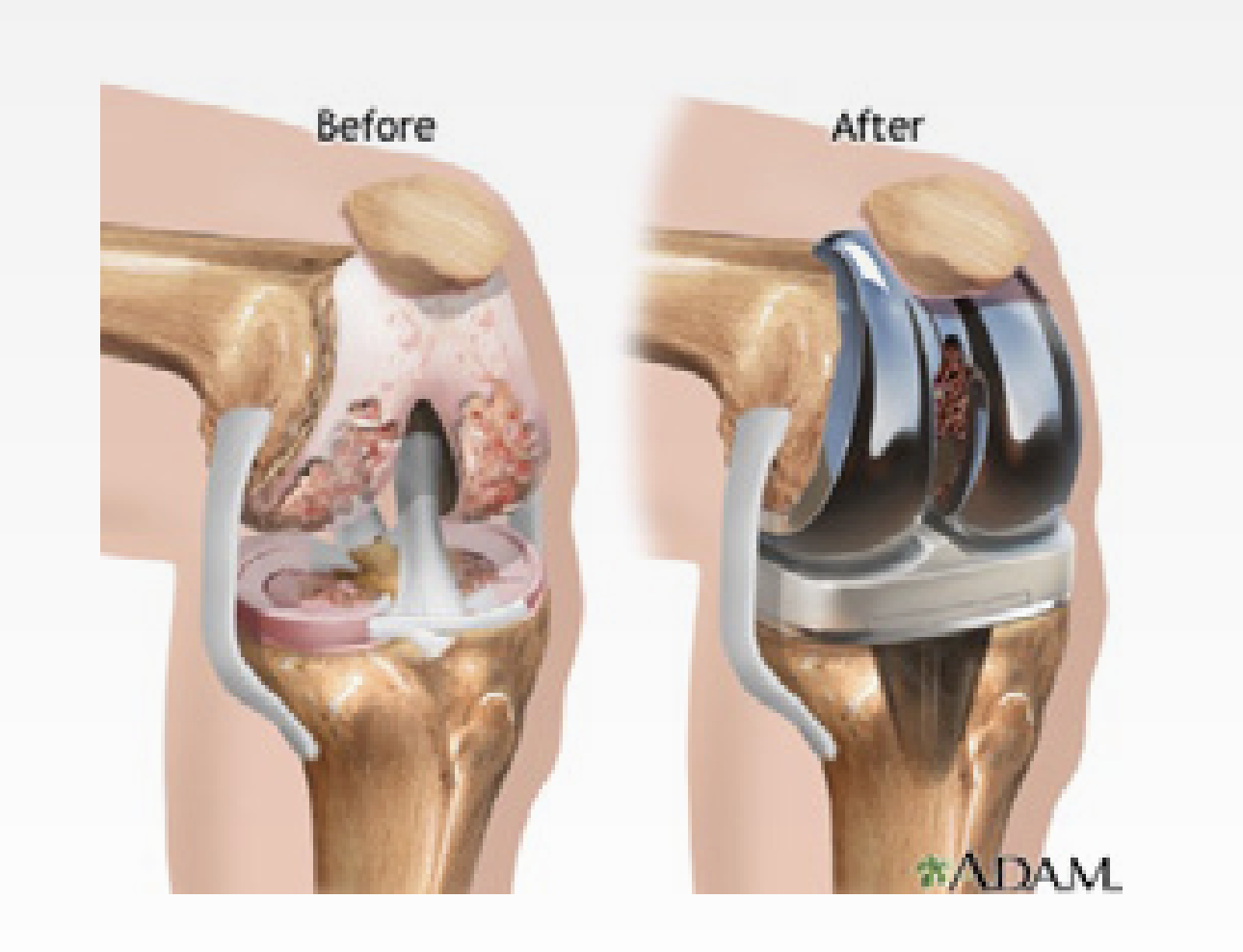
When nonoperative management options have been exhausted, surgery may be considered. In cases of relatively focused osteoarthritis in a certain part of the knee, realigning the bones (osteotomy) or partial joint replacements may be considered. With more diffuse knee osteoarthritis, a total knee replacement (arthroplasty) may be the best option.
If you have any skin ulcer or infection, you need to seek medical advice and start antibiotics as soon as possible to avoid replaced joint infection.