POSTPARTUM
- The mother's health condition is as necessary as it is the health of the child.
- The mother must be in good health in order to be able to take good care of her child.
- She should get enough rest and avoid stress, especially in the first week after childbirth.
- She should get enough sleep for at least the first week of labor.
- Taking bath immediately after childbirth except if delivered by cesarean section, it will be according to the doctor's instruction.
- Eating after birth is not restricted, except in special cases where the physician’s instructions must be followed.
- Encourage women to begin walking and moving as soon as they are medically stable after delivery.
- Treating constipation so that during the pressure process it does not lead to the reproductive system prolapse and the incidence of hemorrhoids.
- Exercising is recommended to help the muscles get back to the normal condition.
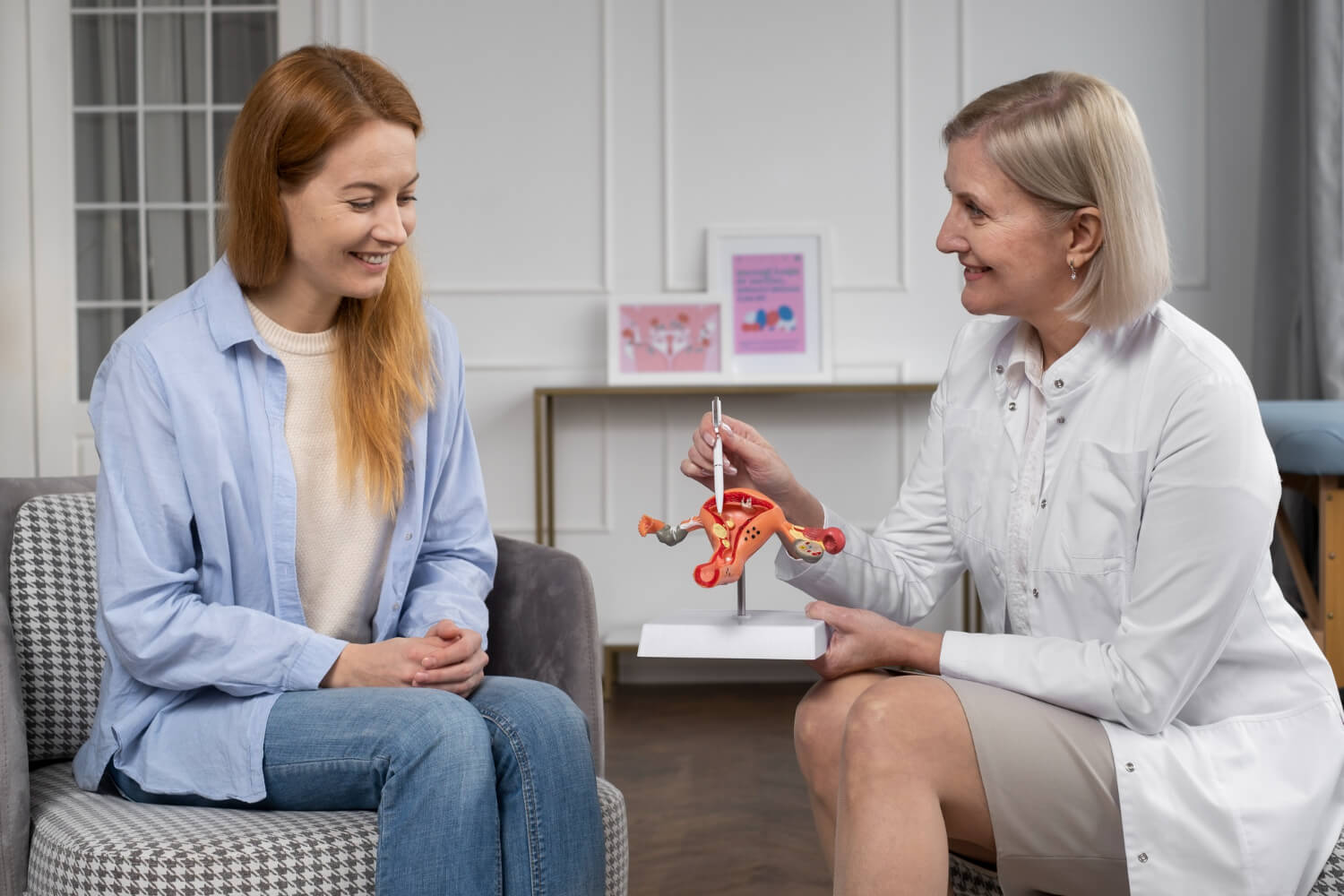
- Visiting the doctor after childbirth for medical consultations such as asking about postpartum secretions, breastfeeding, menstrual period, as well as for medical examination such as checking pressure, weight and comparing it with her prenatal (before pregnancy) status and taking future advice such as: Taking vitamins continuously or inquire about the next pregnancy.
Risk of wound inflammation
• Hand hygiene is an essential factor in reducing the risk of infection. You should wash your hands well before and after changing sanitary pads.
• Taking care of the stitches and drying the wound after using the bathroom and changing sanitary pads frequently.
Perineal region care
- Some enlargements may occur during natural childbirth by incising the perineum and making stitches then. These stitches may be internal or external, or both, the doctor will give you the important instructions on how to care for and maintain it clean and dry as possible.
- It is recommended to wash it many times and regularly with water only. The area should be dried well, and the washing should be every single time of using the bathroom.
- The stitches will dissolve after 7 to 10 days and you will notice the stitches falling out. This is normal and occurs when the wound begins to heal.
- Sanitary pads must be changed regularly to prevent infection.
- The doctor will check these stitches when you visit him/her for the after-delivery examination.
Caesarean section wounds
There is more than one way to make suture stitches in Caesarean sections:
Sutures that are absorbed by the body where there are no sutures to be removed and the wound must be kept clean and dry. It is recommended to wash the wound with water only.
*The wound must be kept dry afterwards.
Dressing the wound with stapling or miscellaneous stitching
- This is usually removed on the fifth day and sometimes on the seventh day. You will be informed how the wound was dressed before leaving the hospital and the doctor will remove it upon the visit.
*If you notice any redness, swelling, or pus in the wound, or increasing of body temperature, then you should visit the emergency department or outpatient clinic (Obstetrics and Gynecology Clinic).
Wound care and cleaning:
- Wash the wound gently with soap and water to remove the scales.
- Avoid rubbing or soaking the wound.
- Do not wipe the wound with alcohol, hydrogen peroxide or iodine, as these damage tissues and slow wound healing.
- Dry the wound either with air or with a fresh, clean towel.
Blood during the postpartum period
Postpartum blood varies from one woman to another, but in general it is similar to a period of three or four days, you will need to change pads every several hours, and you will notice an increase in the amount of blood when you get out of bed in the morning or while breastfeeding.
This is normal, however the after-delivery blood begins to decrease after 4 - 3 days, its color changes from reddish to pink or brownish and gradually turns into vaginal discharges, and lasts from 3 to 4 weeks.
Sometimes the blood decreases and then increases a little bit. This is normal, but it should not be as heavy as in the first days. You shouldn't use vaginal Tampons for the first six weeks after childbirth.
Painkillers
Some pain is expected after a C-section or if there are stitches from a natural childbirth, so some painkillers will be prescribed for you upon discharge from the hospital. It is important to make sure that you are not allergic to any of these medicines and you should know that some medicines, such as Coumadin, are not given while breastfeeding, and the dose prescribed for treatment should not be exceeded.
Mood changes
After the first week of childbirth, many women experience postpartum depression, and this is likely due to hormonal and chemical changes.
That happens in your body after childbirth, where these symptoms include:
- Abnormal and irrational emotional feeling.
- A sudden bursting into tears for no apparent reason.
- Feeling of irritation and allergy.
- Feeling of depression or anxiety.
It is necessary for you to talk to your husband and share these feelings with him, as he has the same feelings as well, because the presence of a child does not only mean responsibilities, but it also means a lot of happiness in life. All of these symptoms are normal and are usually mild and continue for a few days and it does not prevent you from practicing your regular activity. However if you still feel anxious or depressed for a long period of time, it is necessary to see a doctor.
You should go to the emergency if you have any of these symptoms or signs
- Severe pain in the abdomen that makes you need painkillers constantly or pain that does not respond to painkillers.
- The temperature increased by more than 37.5 degrees.
- Heavy bleeding, especially after the amount of blood has begun to decrease.
- Losing large blood clots.
- The feeling that you are not in good health and as if you have a cold.
- Chest pain or shortness of breath.
- Diarrhea or vomiting.
- The emergence of discharge from the stitches or the wound, especially if they have an unpleasant odor.
- Sore throat, especially if a family member or child suffers from a sore throat or respiratory infection.
- Redness in the breast gland, pain in the breast with symptoms of a cold.
- Bad smell in vaginal discharges.
Follow up
After childbirth and before discharge, you will have an appointment in the outpatient clinic (Obstetrics and Gynecology Clinic) within a week.