UAE Entities


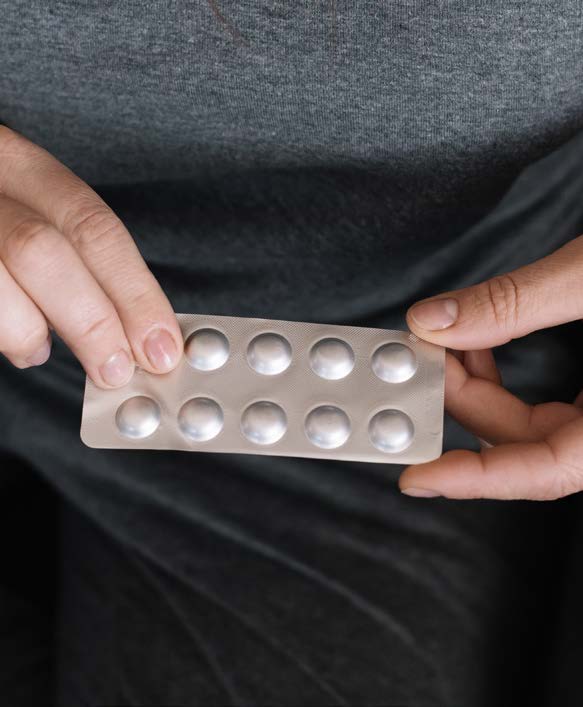
How effective is the pill:
• About 3 women in 1,000 using the pill correctly will become pregnant each year.
Possible side effects:
Only a few women may feel the following:
• Nausea.
• Abdominal bloating.
• Breast tenderness.
• Headaches.
These usually go away within days or weeks of starting the pill.
Other uncommon side-effects
• Tiredness.
• Change in sex drive.
• Skin and mood changes.
You should tell your doctor if you have any lasting side-effects.
For wight gain this has never been proven in studies.
Possible risks:
You must go straightaway to the emergency department if you have any of following:
If you are going for surgery , you must inform your doctor that you are taking oral contraceptive pills (you may need to stop taking it for a while to reduce risk of a blood clot).
2)- May increase risk of some types of cancer like breast cancer, cervical cancer:
There are very clear guidelines about who should or shouldn't take it, some diseases cause an increased risk or other problems with taking the pill. Therefore, the pill will not be prescribed to some women with certain diseases. For example: liver disease, migraine with aura, history of clots, cardiac disease and others.
How to take the pill?
Pills packs contain either 21 or 28 pills.
For the 21-pill packet: to start, take the first pill on the first day of your period. You will be protected against pregnancy from then on (If you start the pill on any other day, you need an additional contraceptive method (such as condoms) for the first seven days). You should take your pill at about the same time each day for the 21 days.
You then have a break of seven days before starting your next pack. You will usually have some bleeding in the seven-day break. Start the next pack after the seven-day break whether you are still bleeding or not.
For the 28 -pill packet. Instead of a seven-day break, you carry on taking the pills. As soon as you finish one packet, you go on to the next.
What if I miss or forget to take one or more pills?
If one pill is missed:
Take the missed pill now (This may mean taking two pills in one day). You should take the rest of the pack as usual. No extra contraception is needed. You should have the seven-day break as normal.
If two or more pills are missed:
• Take the last missed pill now (This may mean taking two pills in one day). Any earlier missed pills should not be taken.
• You should take the rest of the pack as usual.
• You should also use extra precautions (use a condom or don't have sex) for the following seven days.
• You should start the next pack of pills without a break, if there are fewer than seven pills left in the pack (after the missed pills).
• You may need some other urgent methods to prevent pregnancy if you had unprotected sex in the previous seven days and have missed two or more pills in the first week of a pack. This also applies if you start your pack one or more days late.