UAE Entities


.jpeg)
The journey of introducing solid foods to your baby is an exciting milestone filled with new experiences, tastes, and textures.
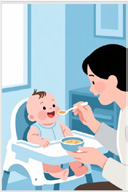
The American Academy of Pediatrics and other experts recommend starting solid foods at around 6 months of age, as your baby and their digestive system are ready for growth.
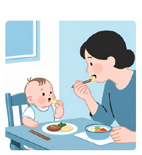
Before starting solid foods, make sure your baby has reached these important developmental milestones:
The journey of introducing solid foods to your baby is an exciting milestone filled with new experiences, tastes, and textures.
Start with these foods for beginners:
It is important to introduce a variety of foods gradually, starting with one type at a time to monitor the possibility of allergies.
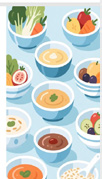
Current research supports introducing common allergenic foods in small amounts alongside other foods to help prevent allergies in children who do not have existing allergies or a family history of allergies:
One new food at a time
Wait 3 to 5 days before introducing another food to monitor for any potential allergic reactions or food sensitivities.
Proper consistency
Prepare foods that are mashed or smooth purees, or strained to make swallowing easier during the early stages.
Avoid choking hazards
Never offer whole grapes, nuts, popcorn, raw carrots, or chunks of peanut butter, as they pose serious choking risks.
Common signs of allergic reactions include rash, hives (an allergic skin rash), facial swelling, vomiting, diarrhea, or difficulty breathing.
If you notice these symptoms, especially difficulty breathing, seek medical care immediately.

To start feeding:
As the baby progresses:
Continue breastfeeding or giving formula alongside solid foods for at least one year, as milk remains the primary source of nutrition.
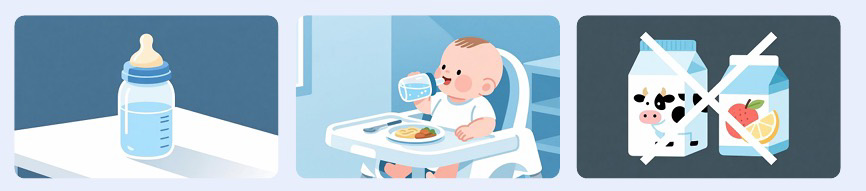
Breast Milk / Formula:
Remains the main drink during the first year, providing essential nutrients that solid foods alone cannot supply.
Water:
Offer small amounts in a sippy cup at age of 6–9 months during meals, but not as a substitute for milk.
What to avoid:
Do not offer cow’s milk or juices before 12 months of age, as they can replace important nutrients and may cause digestive problems.

Food refusal:
Babies may initially reject new flavors or textures. Remember, it may take more than 10 attempts before accepting a food. Keep offering it without pressure.
Mild Gagging vs. Choking:
Mild gagging (coughing or spitting) is normal; choking (silent struggle) is dangerous. Learn the difference and the first aid for infants.
Mealtime Resistance:
If the baby turns their face away or cries, stop and try later. Do not force the baby to eat, as this can create negative associations with food.
Allergy Concerns:
Consult your pediatrician before introducing allergenic foods if your baby has severe eczema or a known food allergy.
Timing:
Start introducing solid foods at around 6 months of age when developmental readiness is clear.
Variety:
Offer a wide range of foods, including allergenic foods early on, to build healthy eating habits.
Balance:
Continue breastfeeding or formula feeding as the main source of nutrition during the first year.
Remember that your baby’s feeding journey is not just about nutrition; it lays the foundation for healthy eating habits for life. Approach this stage with patience, flexibility, and joy.
Consult your pediatrician regarding any questions about your child’s specific nutritional needs.