Fakeeh Care Group
UAE Entities
HOSPITALS
Fakeeh University Hospital
Jeddah Dr Soliman Fakeeh Hospital
AMBULATORY CARE
Kaust Health
Fakeeh Medical Home
Fakeeh Medical
Fakeeh Executive Clinic
Dr Soliman Fakeeh Medical Center
OUTREACH HEALTH CARE
MedE
Fakeeh Home Health
Fakeeh International
EDUCATION
Khadija Attar Center
Fakeeh College for Medical Sciences
AMBULATORY CARE
Fakeeh Complementary
Fakeeh Vision
OUTREACH HEALTH CARE
Watch we grow
Alfarabi Logistics
AHC
Olympia
Fakeeh Tech
العربية
Before you continue
By clicking “Accept All”, you agree to the storing of cookies on your device to enhance site navigation, analyze site usage, and assist in our marketing efforts.
Deny
Accept All
Fakeeh Health Educational Blog
+966 9200 12777
call us
About FCA
About Fakeeh Care Academy
About Fakeeh Care
Management Team
News & Updates
Contact Us
Our Hospitals
Congress
Awards
Training
Life Support Training Center
Community
Life Support Training Center
Academic Calendar
Fakeeh Care Academy Learning Platform
Continuous Professional Development (CPD)
Careers
Patient and Community Education
Fakeeh Health Educational Blog
Nerve Conduction (NC) - Electromyography (EMG)
Educational Blog
Nerve Conduction (NC) - Electromyography (EMG)
What is it?
This is a test to see how well your nerves send signals to your muscles and skin.
Nerves act like cables carrying messages between your brain and body.
The test measures:
Speed of the signal.
Strength of the signal.
The nerve conduction part does not require surgery or needles.
The EMG part may use a small, thin needle to check muscle activity.
Before the procedure
Take a bath or shower before your appointment.
Wear loose and comfortable clothing.
Do not put cream, lotion, or perfume on your skin — it can affect the results.
Tell your doctor if you have:
A pacemaker or other implanted medical device.
Blood thinner medicines or pyridostigmine (Mestinon).
During the procedure
You will sit or lie down.
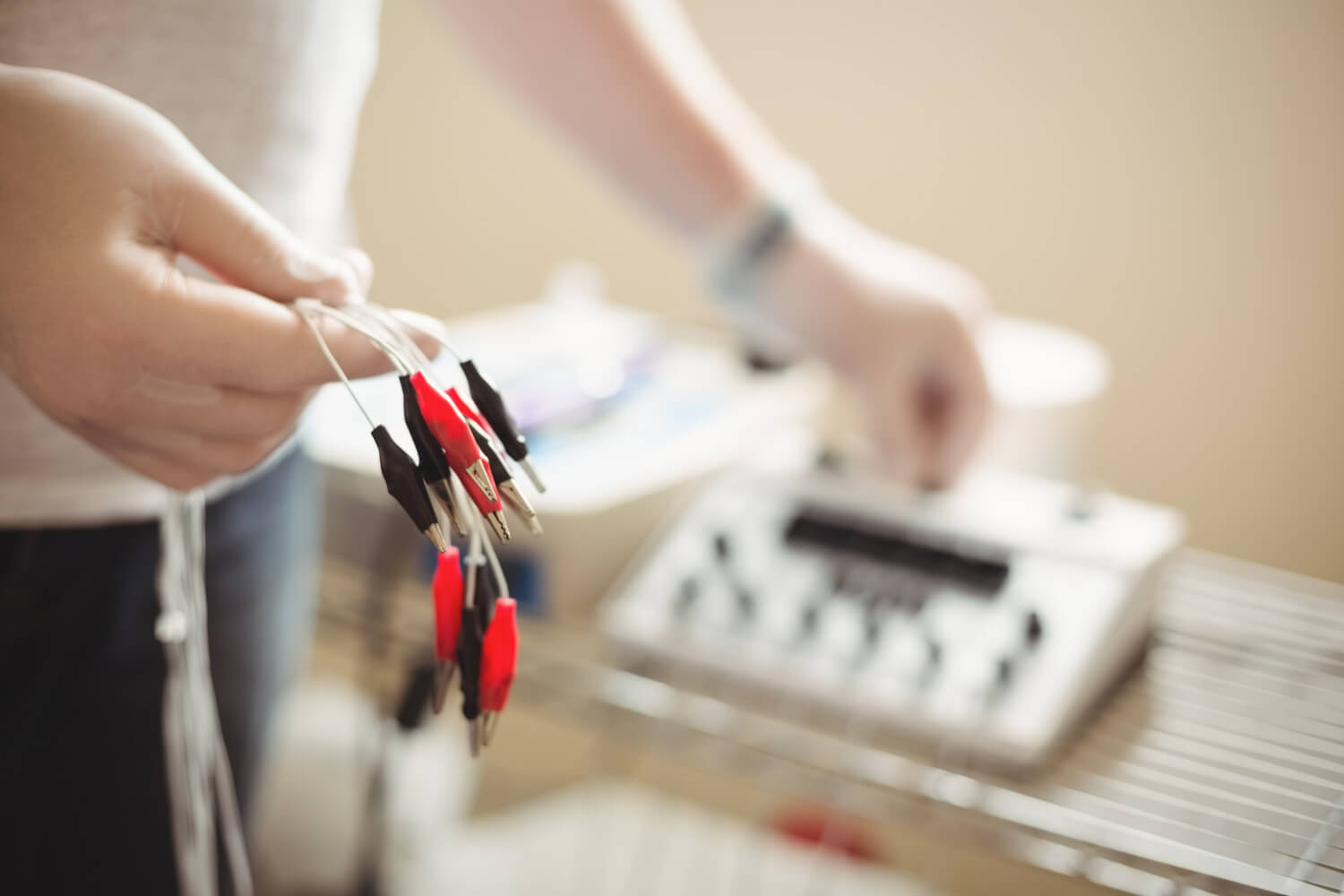
Small sticky pads (electrodes) will be placed on your skin over the nerves.
The provider will send a mild electrical pulse to the nerve.
The electrodes record how fast and strong the signal travels.
This may be done on several nerves.
If an EMG is needed:
A small needle will be placed in a muscle to check its activity.
Is it painful?
The electrical pulses may feel like:
A small static shock.
Mild tingling.
The EMG needle may cause slight discomfort, but most people tolerate it well.
Duration of the examination
15 minutes to 1 hour, depending on how many nerves are tested.
After the procedure
You can go back to your normal activities immediately.
If a needle was used, you may feel mild soreness for a short time.
Frequently Asked Questions
Can I eat before the test?
Yes, unless your doctor tells you otherwise.
Do I need someone to come with me?
Not usually, but you can bring a friend or family member if you prefer.
Will it leave marks?
You might have small red spots or mild soreness where the electrodes or needles were placed. These fade quickly.
Is it safe?
Yes, the test is very safe. The electrical pulses are mild and brief.
Related Blogs
Nerve Conduction (NC) - Electromyography (EMG)
VIEW DETAILS
Electroencephalogram (EEG)
VIEW DETAILS
Epilepsy
VIEW DETAILS
Dementia
VIEW DETAILS


%20%20-%20Electromyography%20(EMG)%20EN.jpeg)