This program aims to resume the patients to their daily life functionality in a better way after heart decreases, it is decrease the number of hospitalization, death, dealing with daily life stresses and improves psychological and physical status .
Heart anatomy
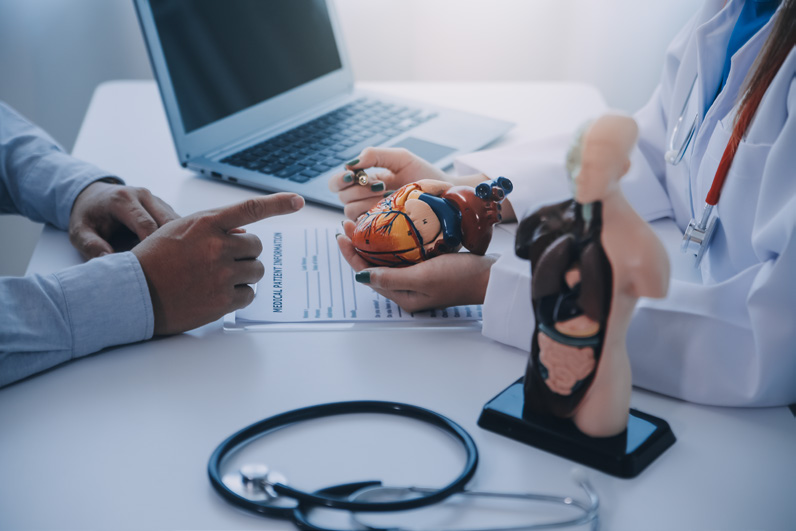
An organ containing 4 valves, two atriums and two veutricles, pumping blood high in nutrition and oxygen to body organs.
Heart Diseases
- Atherosclerosis.
- Heart attack.
- Peripheral Vascular diseases because Heart Diseases.
- Cardiomyopathy.
Surgical procedure for heart diseases
- Coronary angioplasty.
- Metal valve replacement/repair.
- Coronary artery bypass graft.
- Implement Permanent Pacemaker /Implantable Cardioverter Defibrillator.
Risk Factors
- Age.
- Heredity.
- Male more than female.
- Diabetes.
- Hypertension.
- High lipid.
- Stress.
- Lack of exercise.
- Obesity.
- Unhealthy diet.
- Smoking.
- Female after menopause.
- Drug abuse.
Healthy Life style
- Stop smoking.
- Take medication as prescribe.
- Follow up with doctors.
- Healthy diet.
- Regular exercise.
Exercise
- Personnel exercise program.
- Start gradually and take rest time.
- Increase types / frequency / duration of exercise gradually.
- Avoid strenuous exercise.
- Avoid sun light and hot weather.
- Learn how to measure heart beat.
- Wear proper clothes and shoes.
- Drink enough water.
- Don’t exercise while fasting, had hard work hours or didn’t get enough sleeping hours.
- Don’t eat heavy meal 2-3 hours before excises better small snackes.
Stop exercise if you complain from
- Shortness of breathing.
- Chest pain.
- Symptoms Low blood sugar or Low blood pressure.
- Dizziness.
Heart attack symptoms
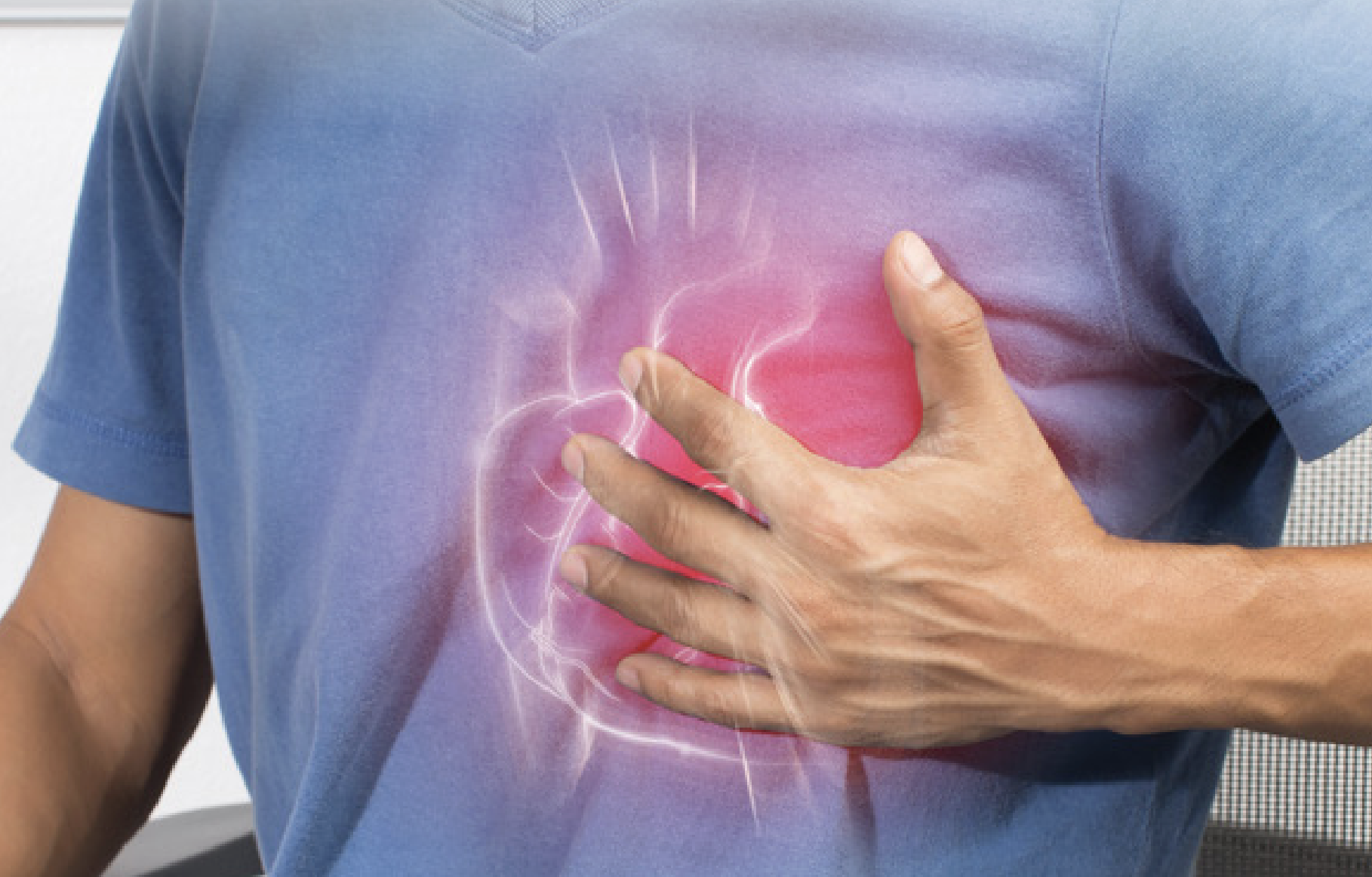
- Chest pain.
- Shortness of breath.
- Increase heart beat.
- Dizziness.
- Sweating.
- Vomiting / nausea.
First Aid
- Sit or lay down.
- Breath slowly and deeply.
- Open tight clothes.
- Do not take any medications except for chewable aspirin (360 mg).
- In 5 minutes if chest pain didn’t decrease go to the nearest emergency room.
- If patient loss consciousness relatives should call ambulance and perform Cardiopulmonary.