UAE Entities


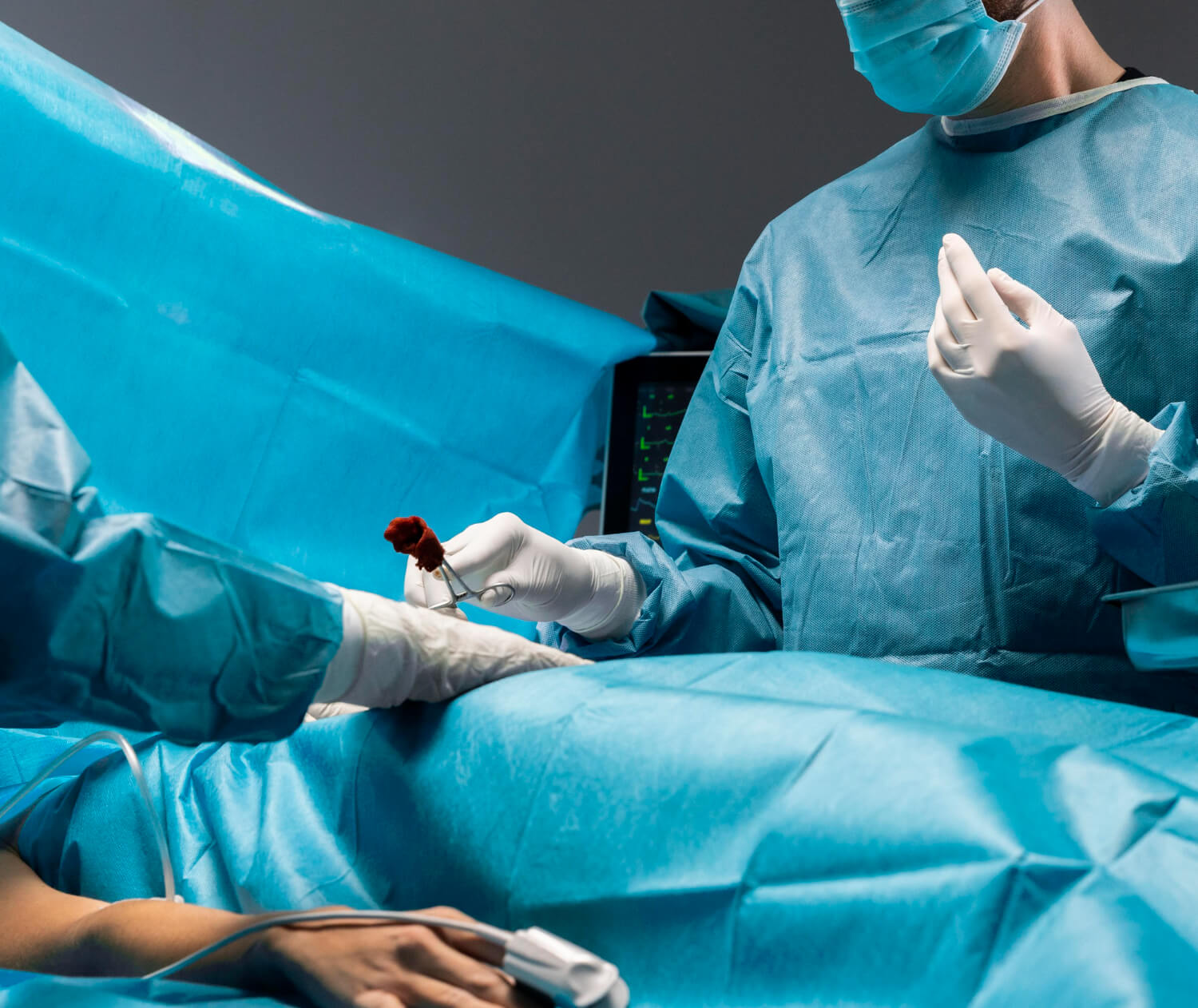
Laparoscopy is a minimally invasive surgical technique using small incisions and a camera (laparoscope), it provides a clear view of abdominal and pelvic organs and allows treatment without large cuts.
Under general anesthesia, a small incision is made in or near the belly button, the abdomen is filled with gas, and the laparoscope is inserted to view organs, additional instruments may be used to perform surgery.
Most procedures are done as in patients and require short hospital stay, some procedures can be done as outpatient.
Recovery includes rest and limited activity for a few days, you may feel tired, have soreness, shoulder pain, or nausea.
Contact your doctor if you experience severe pain, fever, heavy bleeding, or issues at the incision site.
Benefits:
Risks:
In rare cases, surgery may switch to open surgery if needed for safety or cancer removal.
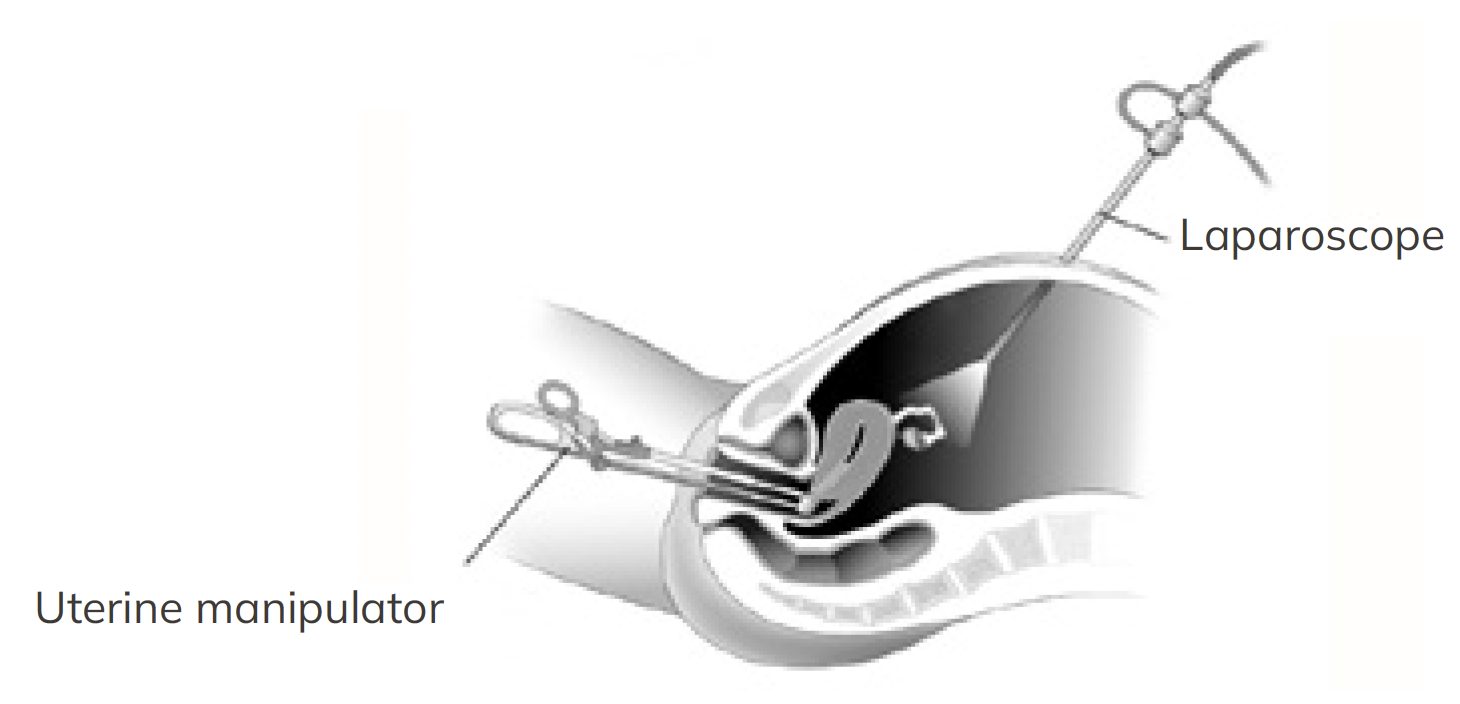
If needed, other small incisions may be made in the abdomen for suraical instruments
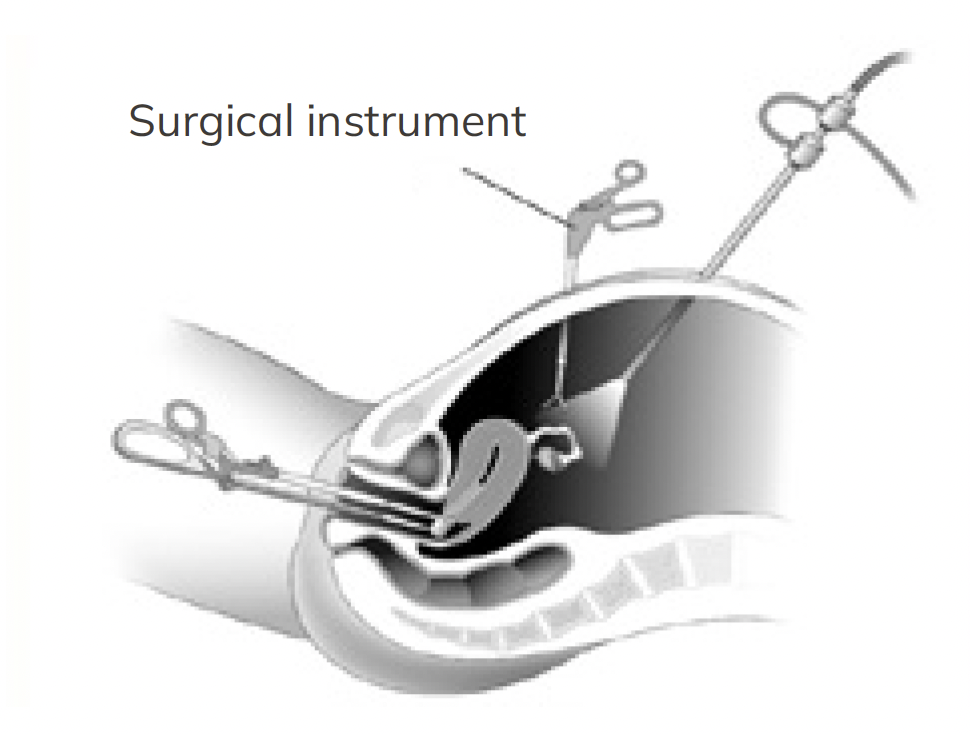
Illustration:
Laparoscope and instruments placed through the abdomen. A uterine manipulator helps position pelvic organs.